Our Approach
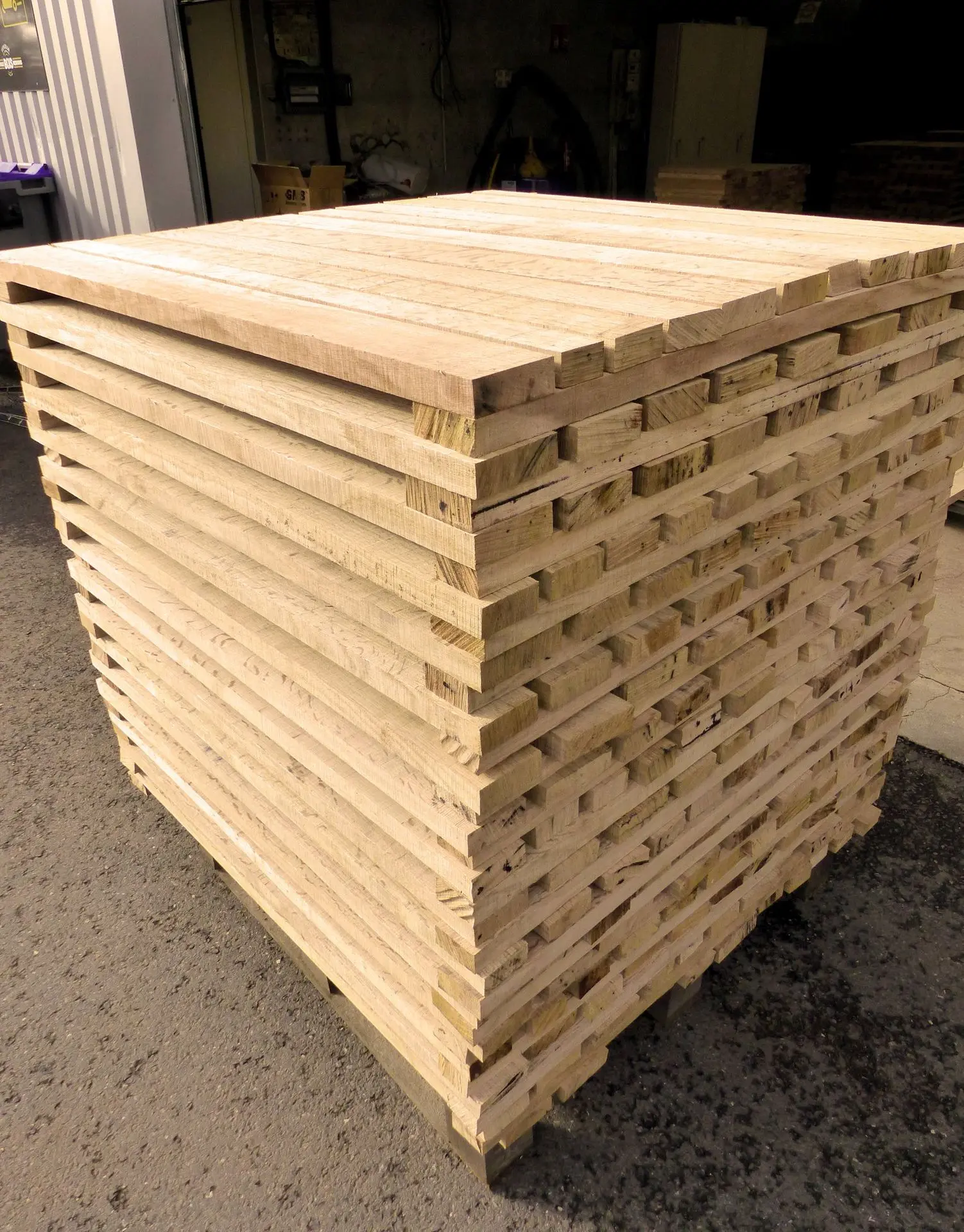
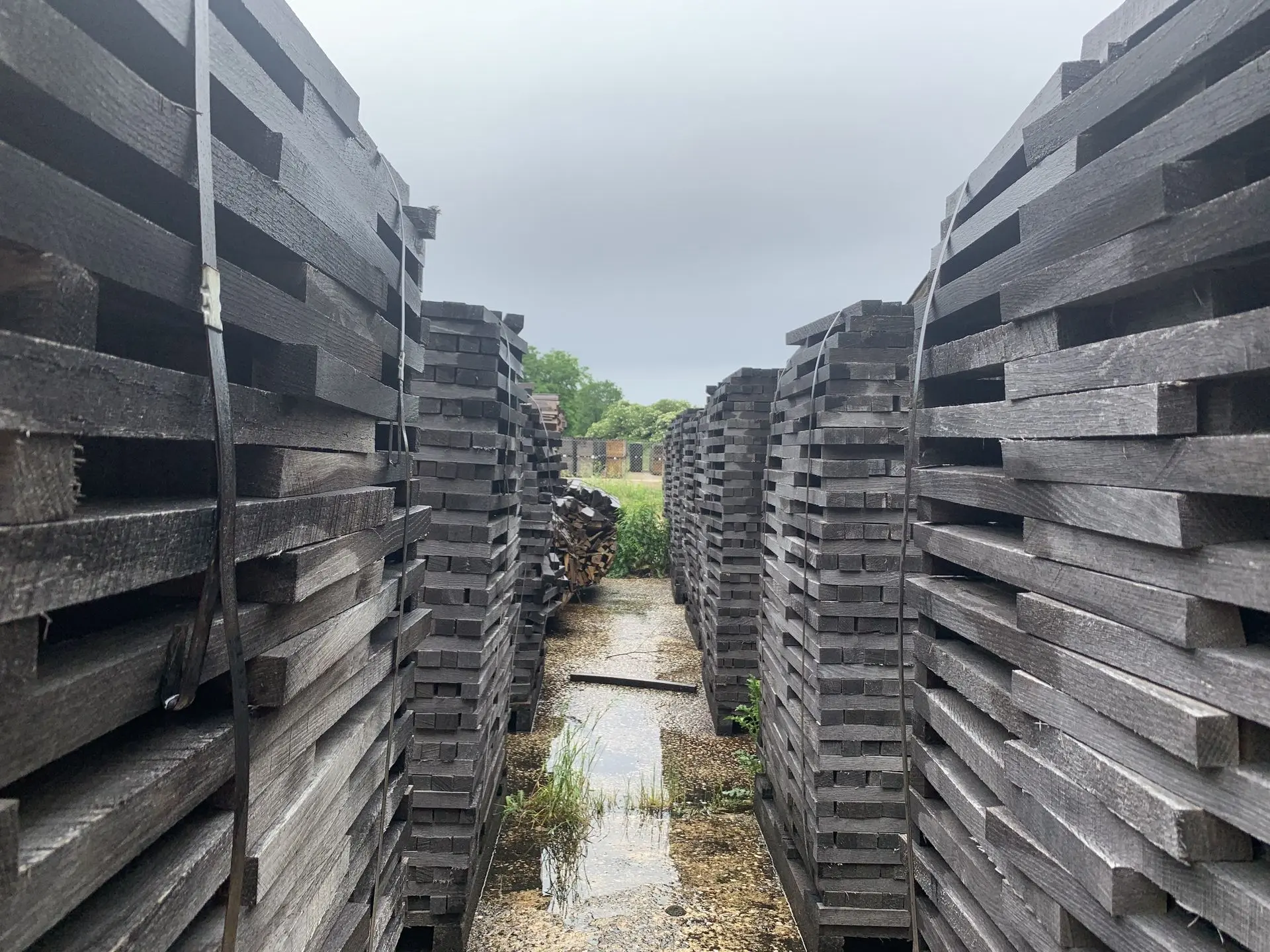
The result of knowledge passed down through three generations, our approach is based on 36 months of natural open-air maturation. This extended period allows the oak to evolve in depth:
- a progressive degradation of astringent and bitter compounds, particularly the overly aggressive ellagic tannins,
- the natural formation of aromatic precursors (lactones, vanillin, furans, etc.) responsible for the wood’s aromatic finesse,
- and the structural stabilization of the stave wood, thanks to moisture removal and the mechanical balance achieved over the changing seasons.
Proactive maturation extends and strengthens this natural dynamic by controlling humidity, temperature, and airflow, in order to keep the enzymes within their optimal activity zone throughout the entire cycle. This mastery makes it possible to obtain wood that is more stable, pure, and expressive, fully revealing its aromatic potential from the very first toasting.


At the heart of this process, the enzymes naturally present in the wood — activated by humidity, oxygen, and time — play a key role. They gradually break down macromolecules (tannins, hemicelluloses, lignins) and promote the release of the most stable and harmonious aromatic compounds. This slow and steady enzymatic work gives the wood its smoothness, complexity, and aromatic precision.
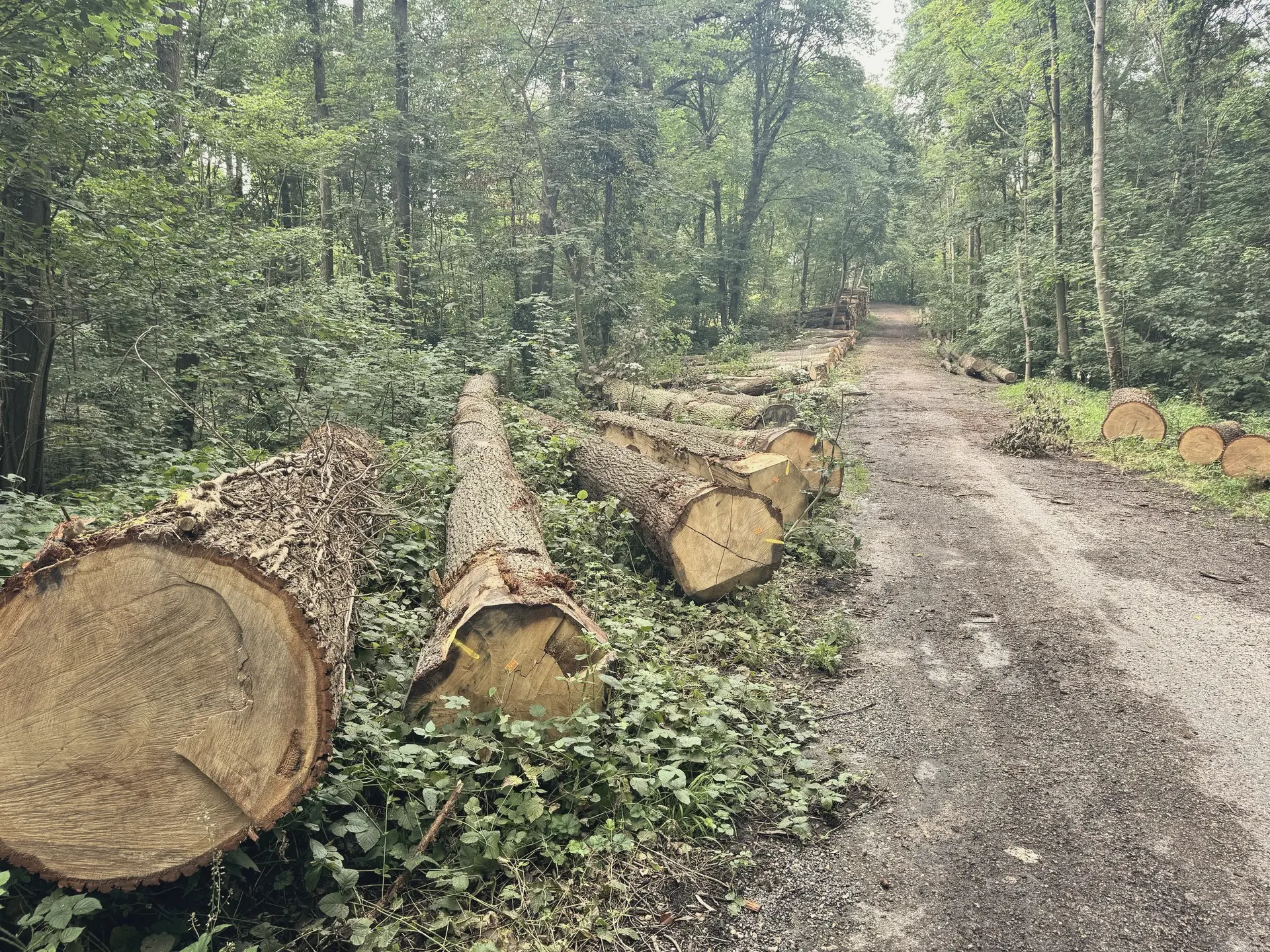
All the wood used for our staves, chips, and tannins follows this same path of proactive maturation, ensuring sensory consistency and oenological continuity across all our ranges. This approach guarantees constant aromatic reproducibility, a reduction in bitterness, and the sustainable enhancement of each oak.